
Episode 472 of Comfort: The Quiet Science of the Endless Rewatch
Netflix asked, and you said yes — again — to a show you've seen a dozen times. Turns out your brain isn't being lazy. It's self-medicating, and the research actually backs it up.
Category
18 articles
Netflix asked, and you said yes — again — to a show you've seen a dozen times. Turns out your brain isn't being lazy. It's self-medicating, and the research actually backs it up.

We keep calling it trash, but reality shows are the only place on TV where class anxiety, dating economics, and friendship politics play out without a script to soften them. Maybe it's time to retire the guilty part of guilty pleasure.

Some people are the unofficial therapists, birthday-rememberers, and crisis managers of their entire friend group — and nobody ever asked if they were okay with that. It's time to talk about emotional labor in friendships, why certain people keep absorbing it, and what it actually costs them.

When a creator you've watched for years suddenly disappears from the internet, the grief can hit harder than you'd expect — or want to admit. Here's why that loss is more real than people give it credit for, and what it might be telling you about the connections you actually have in your life.
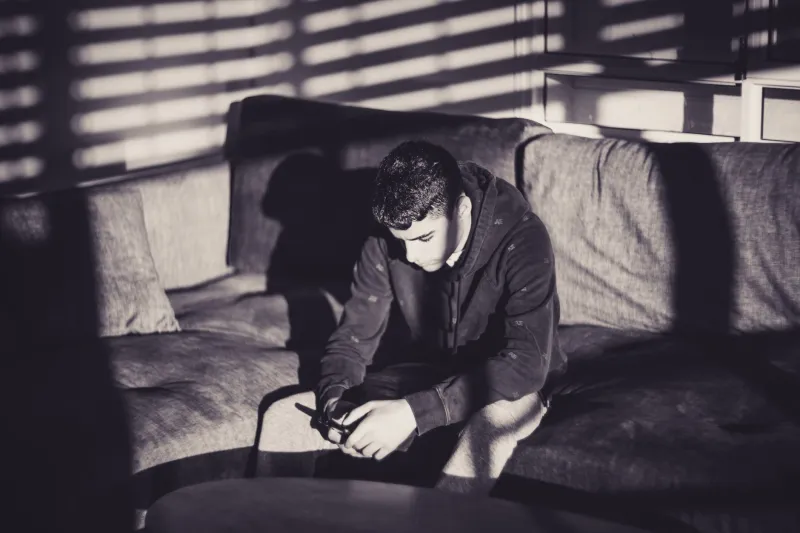
You cried when they died. You hadn't thought about them in months, maybe years. And yet, something inside you cracked open — and you're still not totally sure why. The grief you feel for celebrities you never met is more real than anyone gives you credit for.
There's a creator out there who says exactly what you're thinking, laughs at the same weird things you do, and somehow makes you feel less alone — and they have absolutely no idea you exist. That feeling is real. But what happens when we start mistaking it for friendship?
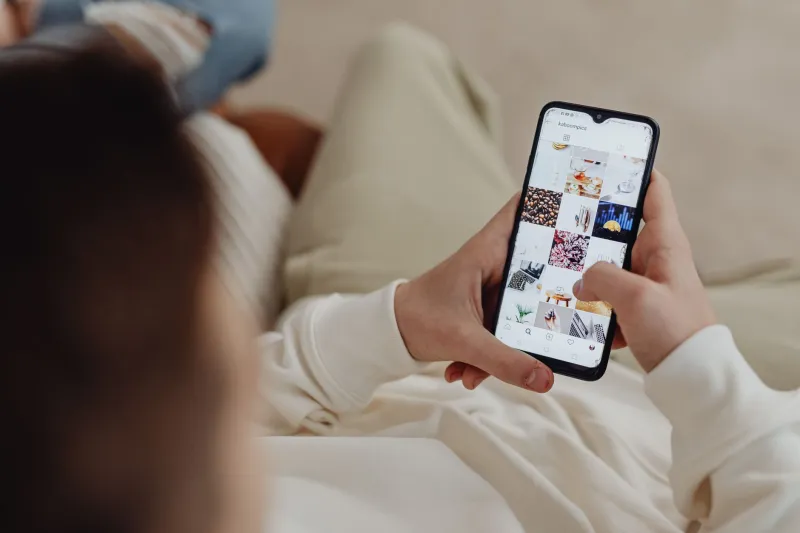
Mental health creators are making therapy feel accessible, relatable, and weirdly intimate — all from behind a screen. But when your favorite licensed therapist's Instagram Stories feel more personal than an actual appointment, something worth examining is happening. Are we getting help, or just getting comfortable?

Somewhere between the group chats and the unanswered texts, we started treating friendship like a job application. We're tracking who initiates, who shows up, and who's pulling their weight — and the anxiety that comes with it is very real.
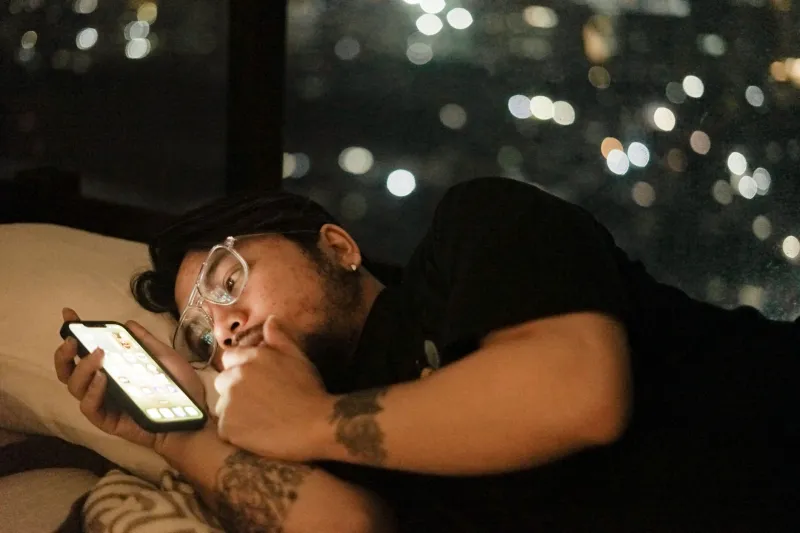
You text them every day, you know their opinions on everything, and somehow you still feel completely alone. Group chats have quietly replaced real friendship with something that looks almost exactly like it — until you need someone to actually show up.
Somewhere between the sourdough era and the rise of the side hustle, our free time stopped feeling free. The things we used to do just because we loved them now come loaded with expectations, metrics, and a nagging sense that we're not doing them right. Here's how optimization culture hijacked our joy — and how to take it back.
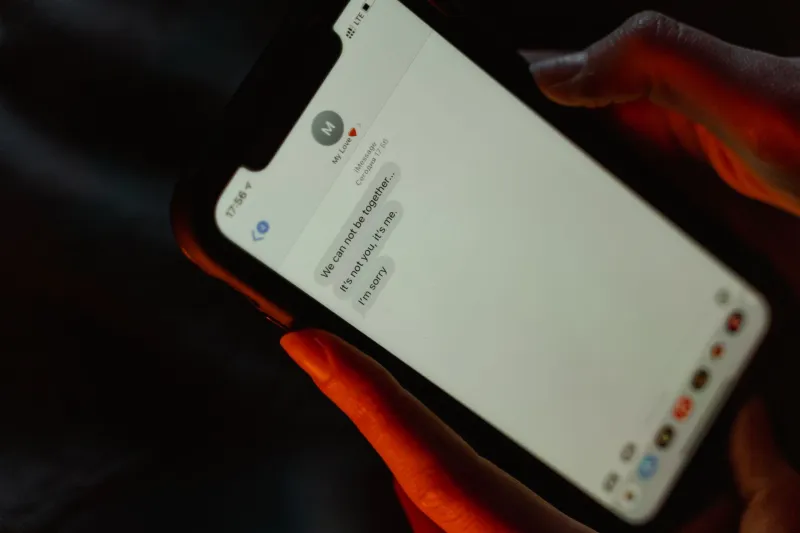
When a celebrity scandal breaks or a beloved public figure falls from grace, millions of people feel something they can't quite explain — a hollow, almost embarrassed kind of sadness. It's not imaginary, and it's not shallow. It's parasocial grief, and it says a lot more about modern loneliness than we're comfortable admitting.
Somewhere between 'I always reach out first' and 'she didn't come to my thing,' we started treating our closest relationships like open tabs at a bar. The mental ledger is real, it's exhausting, and it might be costing you people you actually love.
We have entire playlists for heartbreak, therapy scripts for bad dates, and group chats dedicated to dissecting romantic relationships — but when a best friend disappears from your life, you're mostly on your own. Something is shifting, though. People are finally starting to talk about the quiet devastation of losing a friend, and it turns out, a lot of us have been sitting with that grief in silence for way too long.
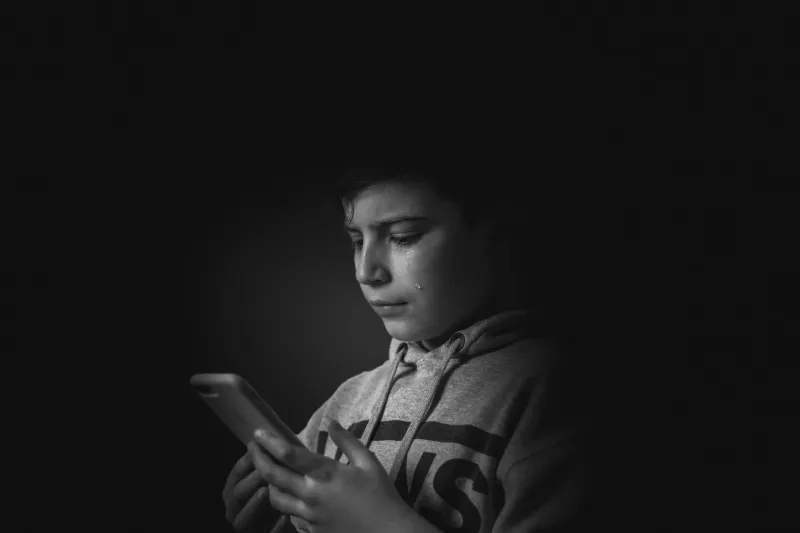
When a celebrity dies or walks away, millions of people feel something uncomfortably close to genuine grief. That's not delusional — it's actually very human. Here's why the loss of someone you never met can hit harder than you expect.
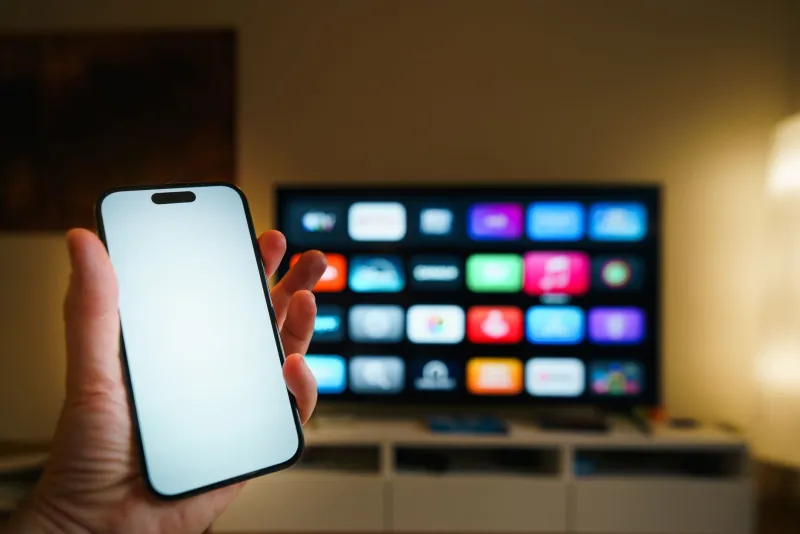
You've got 47 things saved on Netflix, 23 on Hulu, and a Max queue that hasn't been touched since 2022. But here's the thing — you're not actually planning to watch any of them. We need to talk about what your streaming graveyard is really telling you about yourself.
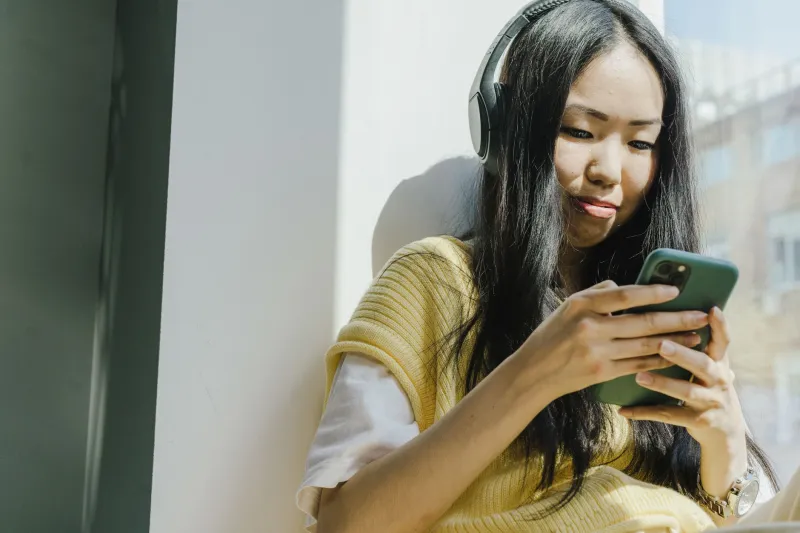
We've got more music, more shows, and more books at our fingertips than any generation in history. So why does it feel like we never actually sit with any of it? The playlist brain is real, and it's changing the way we experience culture — for better and maybe a little worse.
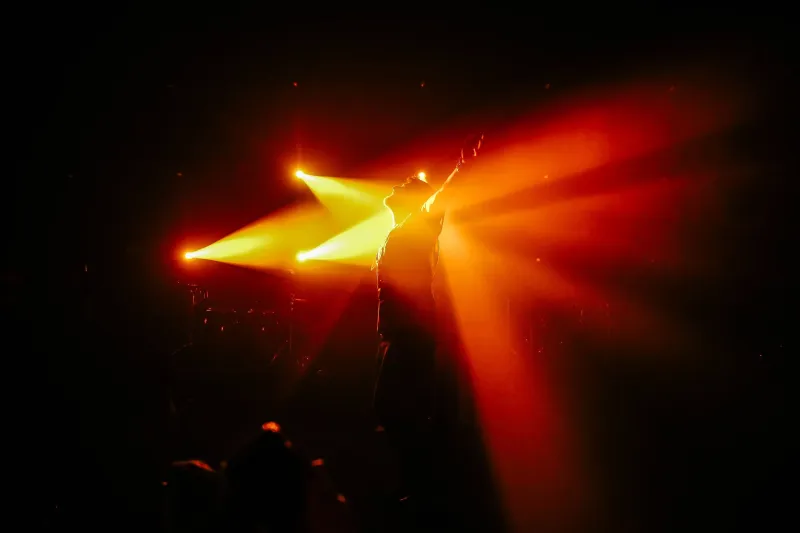
We love a good redemption arc almost as much as we love the fall that made it necessary. From surprise album drops to indie film reinventions to influencers clawing their way back from career-ending controversies, the celebrity comeback has become one of pop culture's most reliable — and revealing — obsessions. But are we actually rooting for these people, or are we just really good audience members?

Millions of Americans feel genuinely close to streamers, TikTok creators, and podcasters they've never met — and that feeling is more complicated than it sounds. We dig into what parasocial bonds are actually giving us, what they might be quietly taking away, and how to find balance in a world where your favorite creator knows your vibe but not your name.